Braver Therapy Transfer
ROLE
Lead UX Designer
YEARS
2022 - 2024
DURATION
18 months
PROBLEM
In pediatric rehabilitation, critical parent-therapist communication is often undermined by scheduling conflicts and inadequate tools, reducing support for at-home therapy
- Effective parent-therapist communication is critical in pediatric rehabilitation, yet many families face limited engagement.
- Parents’ daytime work schedules prevent them from attending sessions, while therapists are unavailable when parents are off work, leading to conflicting schedules and reliance on asynchronous communication. Existing tools (email, USB keys) are inadequate due to file size limits, security constraints, and logistical burden.
- Communication becomes fragmented and unsustainable, limiting the sharing of photos and videos, increasing workload for therapists, and ultimately reducing parent engagement and the effectiveness of at-home therapy support.
SOLUTION
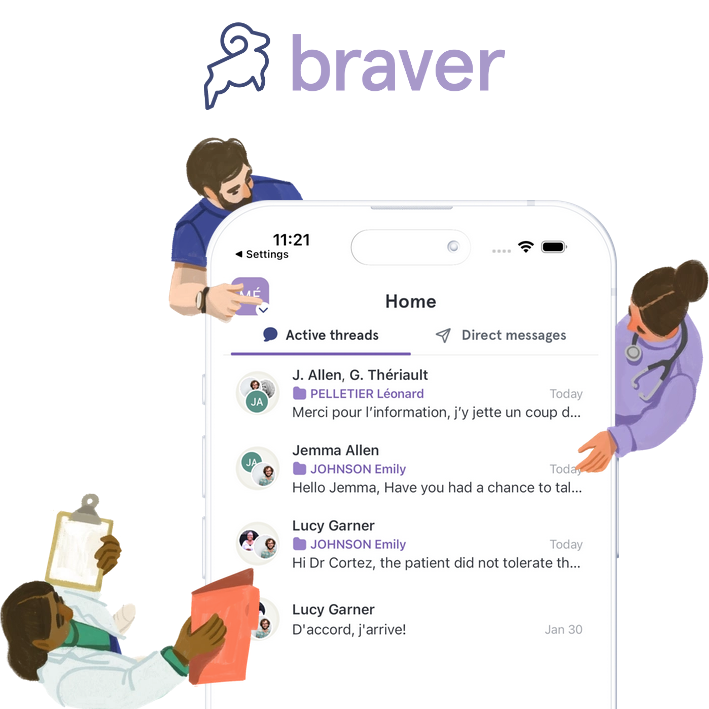
A secured communication platform that enables asynchronous communication of private medical information
- The solution consists of integrating the Braver application, a secure platform enabling asynchronous communication, into the therapy transfer process.
- Braver supports secure therapist-parent communication, facilitates file sharing, and includes features designed to ensure clinical appropriateness.
- The goal is to streamline therapy transfer by improving the experience for therapists and families and strengthening family involvement in rehabilitation.
OUTCOME
Improve communication between therapists and families through asynchronous messaging.
Increase families’ understanding of their child’s rehabilitation through clear, multimedia‑based information sharing.
Encourage collaboration and engagement among all stakeholders involved in the child’s rehabilitation journey.
AWARDS
Honoured with the 2024 Family and Person Centered Care Award from Children’s Healthcare Canada.
Selected as a finalist for the 2026 Expérience SRS (Stars du Réseau de la santé) in the Modern Category.
1. Discovery
OBSERVATION
A clearly defined problem is only half the equation; success depends equally on understanding the context in which it exists
- Although the problem was already well defined at the outset, we emphasized early research to minimize adoption risk.
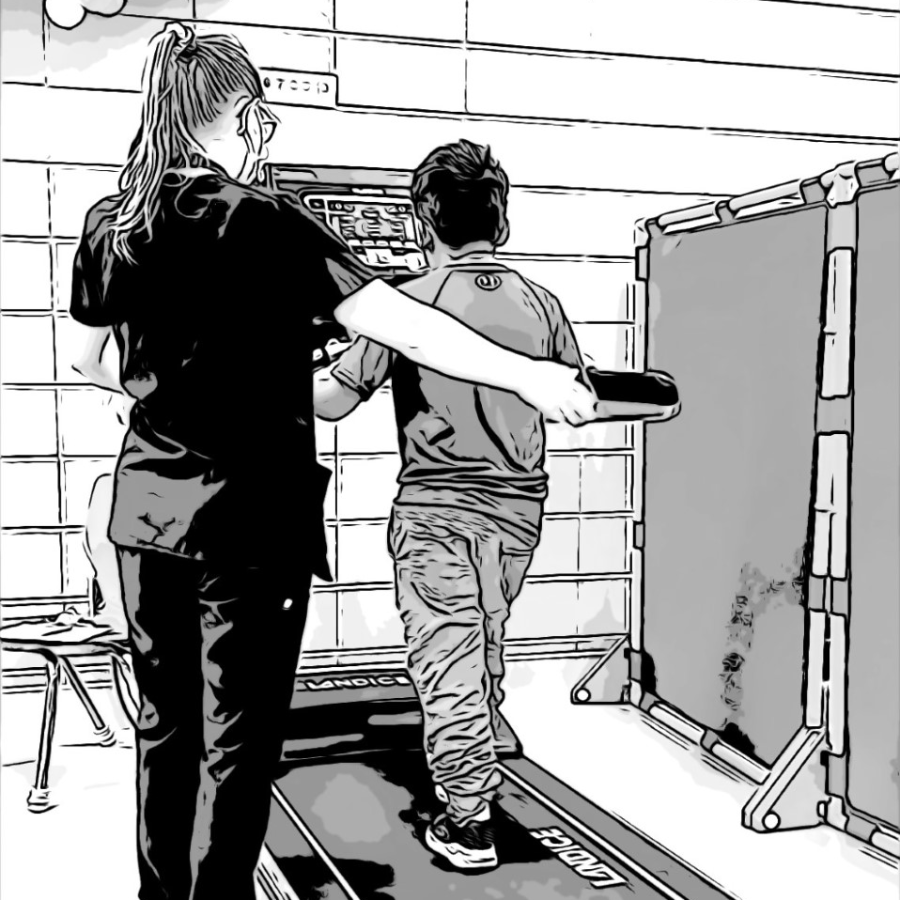
- We conducted two full days of on-site observation, shadowing each stakeholder during a typical workday to gain a deep understanding of their workflows.
- The objective was to ground the solution in real-world conditions identify workflow frictions that could inform the solution design.
INTERVIEWS
Perception is subjective; grounding decisions in validated insights is key before moving forward
- While the observations provided rich insights, they also highlighted gaps in our understanding stemming from our lack of medical domain expertise.
- We conducted a full day of semi‑structured interviews, meeting with each stakeholder for 15–30 minutes to walk through the observed user journey and address questions that emerged during observation.
- The objectives were twofold: to validate the accuracy of our observations and to deepen our understanding of the workflow, context, and underlying pain points.

LEARNINGS
Therapy transfer is fragmented
Across all therapists, therapy transfer relies heavily on emails, phone calls, and ad‑hoc workarounds (USB keys, personal phones, repeated explanations).
Seeing is better than hearing
A dominant insight across disciplines is that video and images are essential for effective therapy transfer. Short videos, annotated clips, and visual demonstrations are repeatedly preferred over text or verbal explanations alone.
Lack of support for families
Families are critical stakeholders but are often insufficiently supported. Family approval and confidence are therefore preconditions for successful adoption of any therapy transfer solution.
2. Co-creation
WORKSHOP 1
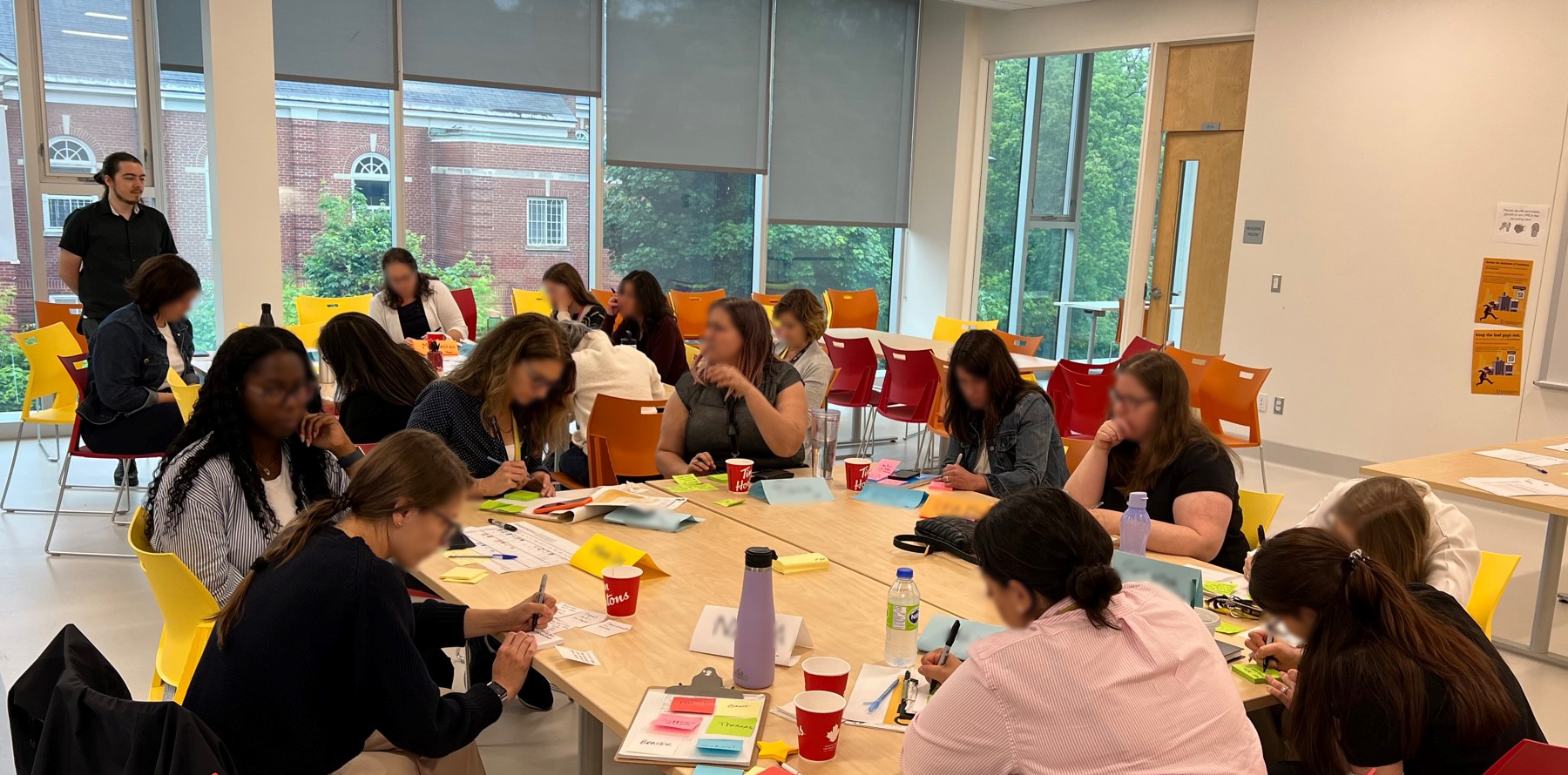
Encouraging collaboration among stakeholders prevents siloed competition and promotes a shared focus on common challenges
- A first co-design workshop was conducted with therapists, physicians, and families to ensure all perspectives were represented.
- The workshop focused on understanding stakeholder needs, clarifying Braver’s potential value, and establishing a foundation for collaboration.
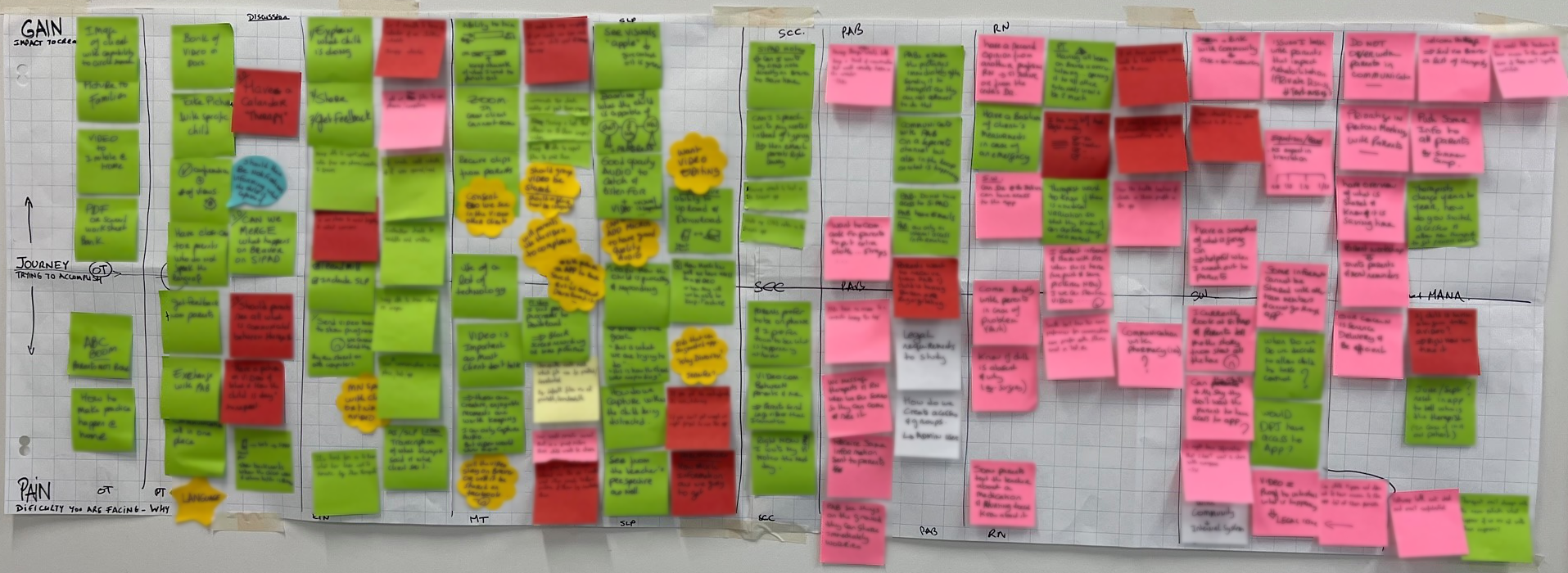
- Participants generated ideas individually, shared insights from their current experiences, and worked together to identify and prioritize key pain points.
WORKSHOP 1 LEARNINGS
Benefits for all stakeholders
The value proposition is strongest around continuity, shared understanding, and measurable progress across settings (clinic/school ↔ home).
Multipurpose application
Users want the application to be multimodal (video/photo/text), coordinated (right people, right time), and trackable (confirmation, progress); not just a chat tool.
Legal and ethical compliance
The product’s success is tightly coupled to clinical/legal governance, consent management, and secure media handling, not just user experience.
WORKSHOP 2
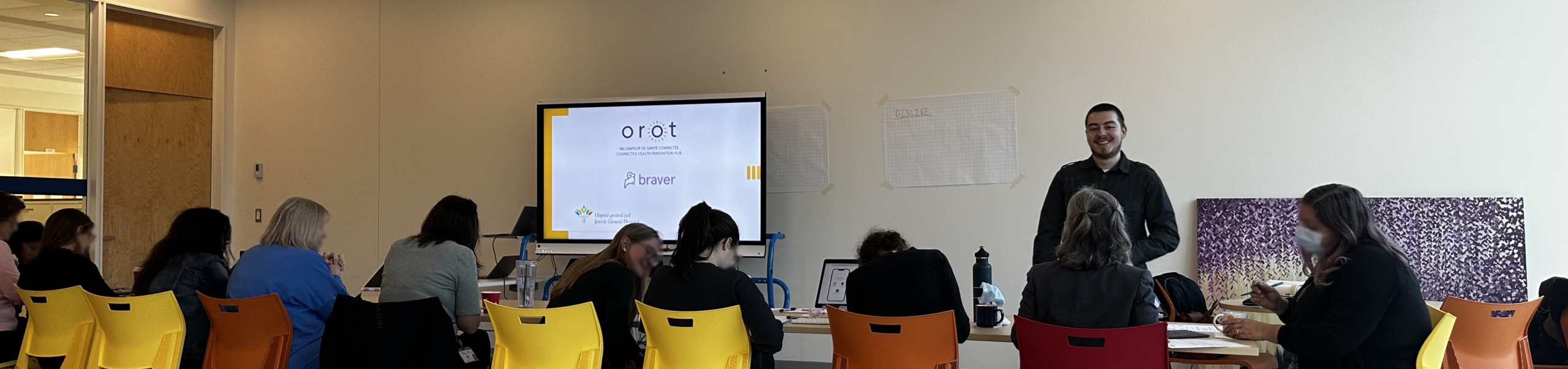
Although Braver had developed a usable application, its suitability for the project’s mandate and stakeholder ecosystem could not be assumed
- Braver already had a functional application prior to the project; however, the goal was to actively involve stakeholders by having them playtest the user experience in order to refine it to better fit their needs.
- A second workshop was therefore conducted with all stakeholder groups to assess the existing user experience and to co-develop a best-practice guide for using Braver in a therapeutic context.
- During the workshop, stakeholders completed predefined tasks within the application, discussed usability friction points, and brainstormed how Braver could be integrated into their workflows, including its potential limitations.
WORKSHOP 2 LEARNINGS
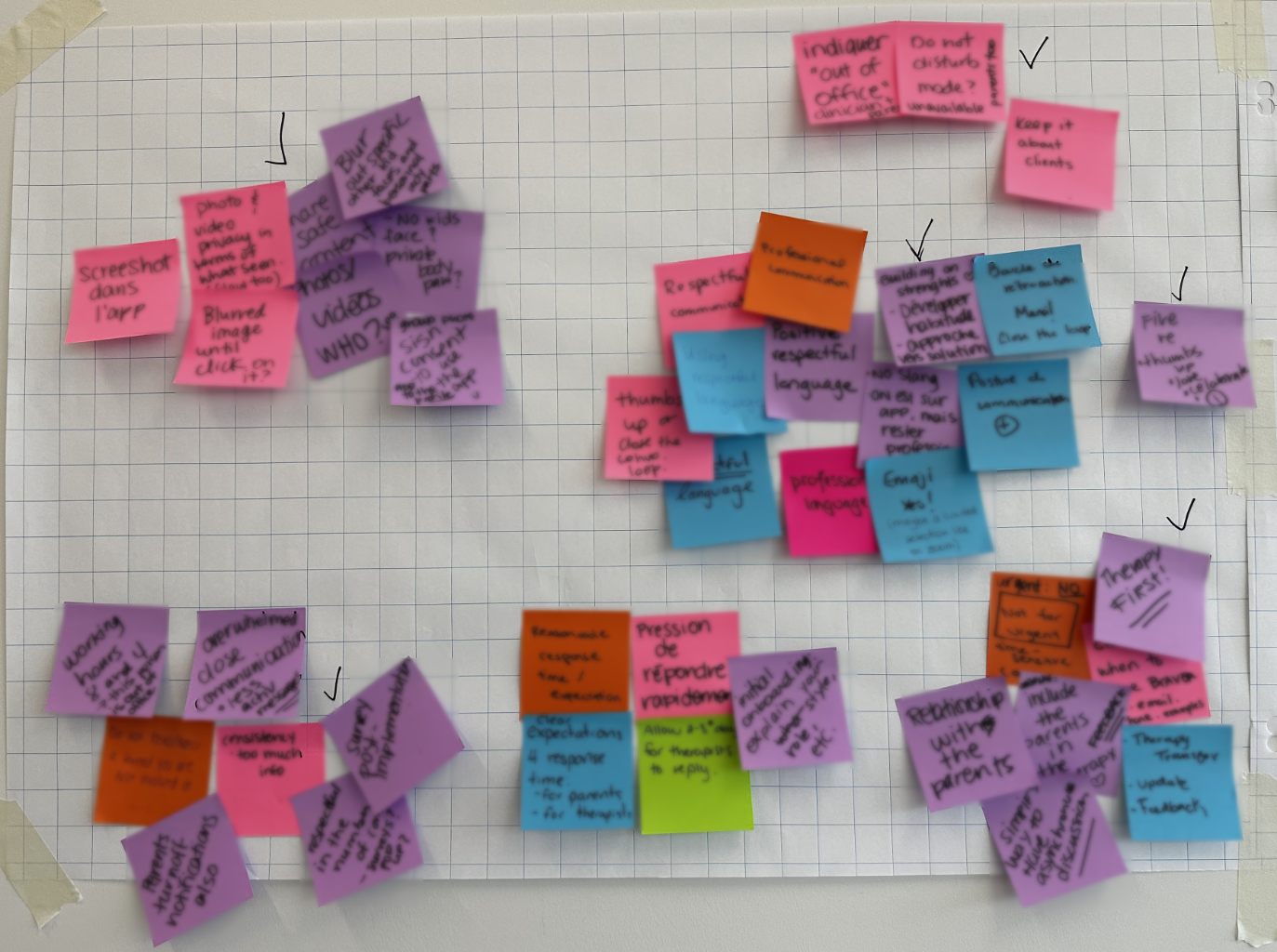
Complementary solution, not a replacement
Therapists clearly position Braver as a supporting tool for therapy transfer and follow‑up, not as a replacement for email, phone calls, or urgent communication. There is a strong need for clarity on when to use Braver vs. other channels.
Robust privacy safeguards
Privacy is a central concern, especially around images, videos, screenshots, and children’s visibility. Therapists want robust safeguards and transparency to protect children and families.
Roles well defined
There is a strong call to define and formalize the role of each participant in Braver. Therapists want structured expectations for parents and meaningful, protected involvement of children when appropriate.
3. Implementation
WORKSHOP 3
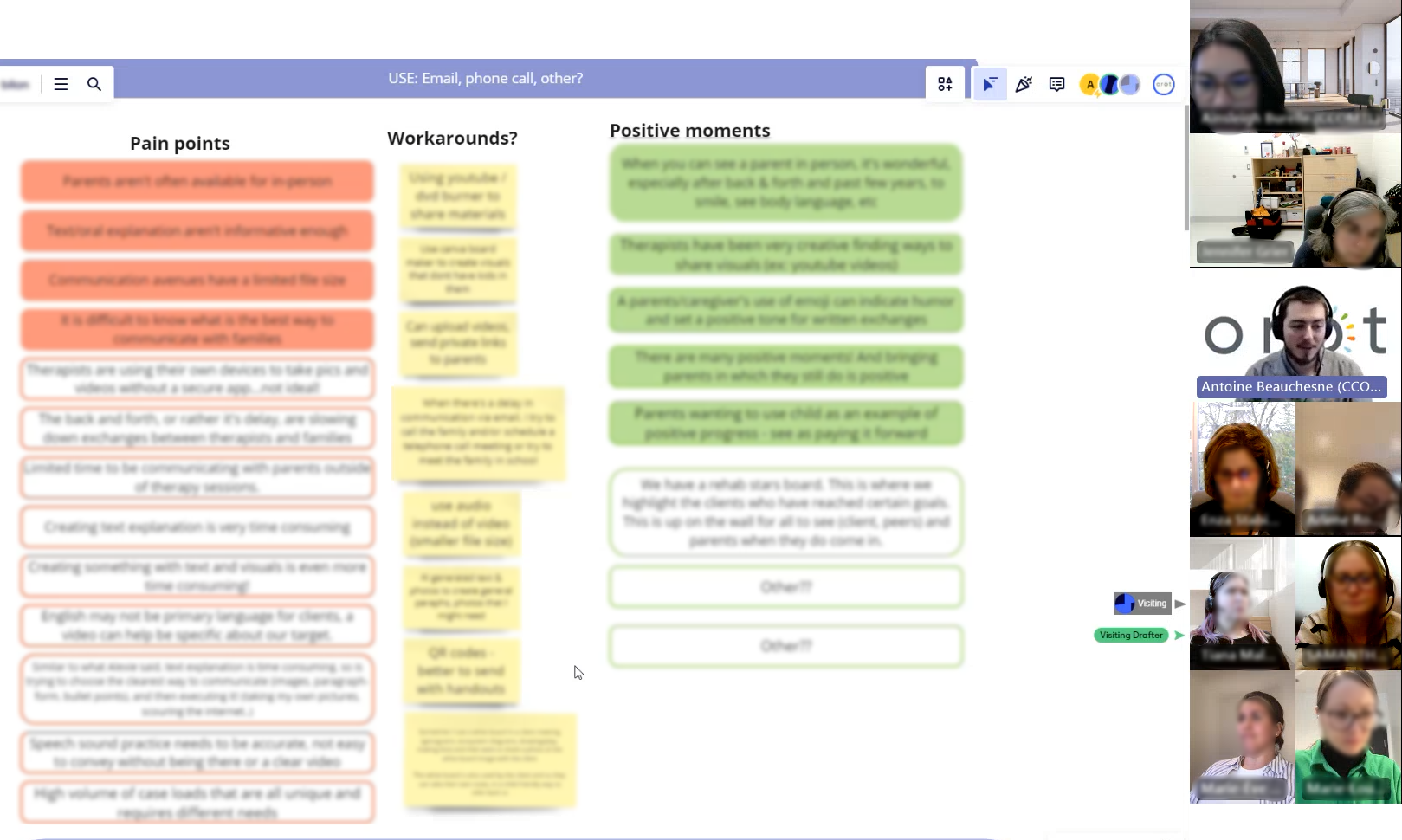
While our previous learnings helped shape the project’s theoretical framework, the next phase requires a clear and actionable implementation plan
- Building on the outcomes of the previous workshop, this session aimed to explore how Braver’s application could support the therapy transfer process and to define the critical success factors for its adoption.
- Therapists mapped their current therapy transfer workflow, then re‑mapped it with Braver’s application integrated into the process.
- They further outlined the conditions, supports, and safeguards required for each of them to confidently adopt the application.
WORKSHOP 3 LEARNINGS
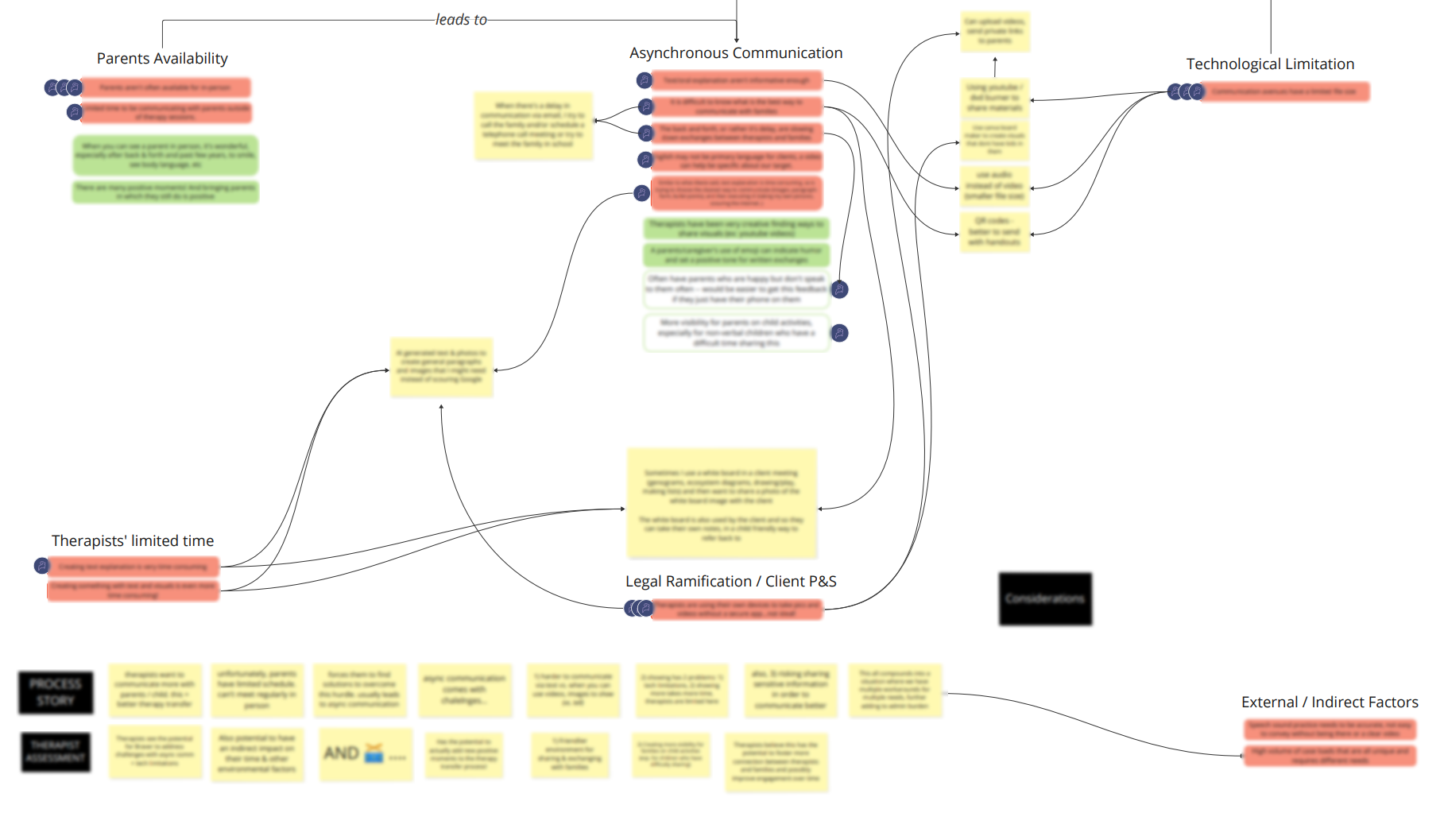
Braver’s perceived benefits
Therapists believe Braver could meaningfully improve therapy transfer by centralizing communication into a single source of truth, supporting large multimedia files and enabling fully asynchronous exchanges for both families and clinicians.
Therapists required scaffolding
Instruction manuals and good practice guides, clear communication norms for parents and therapists, structured onboarding and ongoing support and feedback channels for both parents and therapists.
Key obstacles for adoption
Spotty Wi‑Fi infrastructure, learning curve and time constraints and unclear communication boundaries with parents.
PARENTS PLAYTESTS
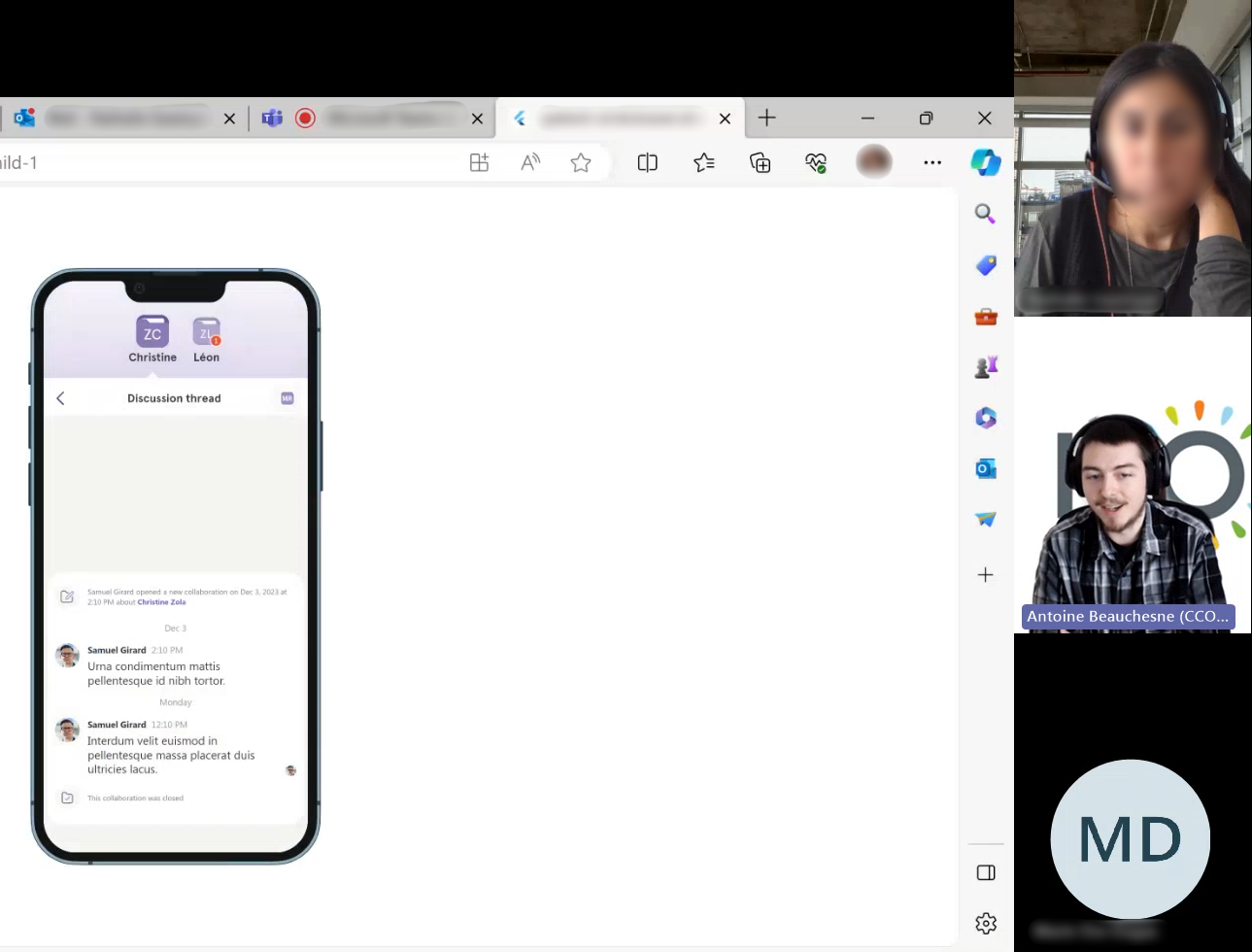
With an implementation plan developed alongside therapists, the project moved into a validation phase focused on family approval
- Following a therapist‑focused workshop, we conducted a complementary exercise with families.
- Playtests were selected as the primary method to explore families’ perceptions of Braver’s application, including points of friction, desired improvements, and conditions required for confident use.
- Each family participated in an individual session, during which they interacted with a test version of the application by completing predefined tasks with limited guidance. A post‑session debrief interview was then conducted to capture first impressions, concerns, and qualitative feedback.
PARENTS PLAYTESTS LEARNINGS
Braver positively received
Parents’ initial impressions of Braver were strongly positive, particularly regarding usability and confidence in adoption.
Strengthen collaboration
Parents are hopeful that Braver can significantly improve asynchronous communication and strengthen collaboration with therapists over time.
Success goes beyond the app
Parents articulated concrete requirements for Braver to succeed during the pilot phase. Success depends as much on governance, clarity, and reliability as on features.
4. Post-mortem
APPRECIATING THE SPECIAL
While no project is perfect, some are noteworthy for just how close they came to be
- Braver Therapy Transfer is the project that came closest to perfection among all those I have worked on.
- Both the Mackay and Braver teams demonstrated exceptional motivation and collaboration, maintaining alignment and momentum from start to finish.
- While I always look for opportunities to improve, this project holds a special place as a rare and outstanding experience in my career.
IRONIC CHALLENGES
Sometimes, solving a problem means engaging with the reality on the ground, such as accommodating the scheduling challenges therapists and families face
- One of the recurring challenges in therapy transfer is the mismatch between therapists’ availability and families’ schedules.
- Somewhat ironically, this same challenge surfaced during the project, making it difficult to mobilize families for workshops and playtests held during working hours.
- In response, we deliberately reduced how often families were called upon, created dedicated activities for them, and adjusted our planning to respect their time constraints.
PROFESSIONAL GROWTH
Reviewing past work and identifying areas for improvement is one of the most meaningful measures of our growth
- While reviewing the project’s documents, I had the opportunity to look back on work I had completed a few years earlier.
- The planning, facilitation activities, and reports I produced all contributed to a successful outcome; however, rereading them also highlighted small areas where I would approach things differently today.
- Each day brings new learning that strengthens my craft and confidence, but reflection is often overlooked as our attention shifts quickly to what comes next.
Portfolio
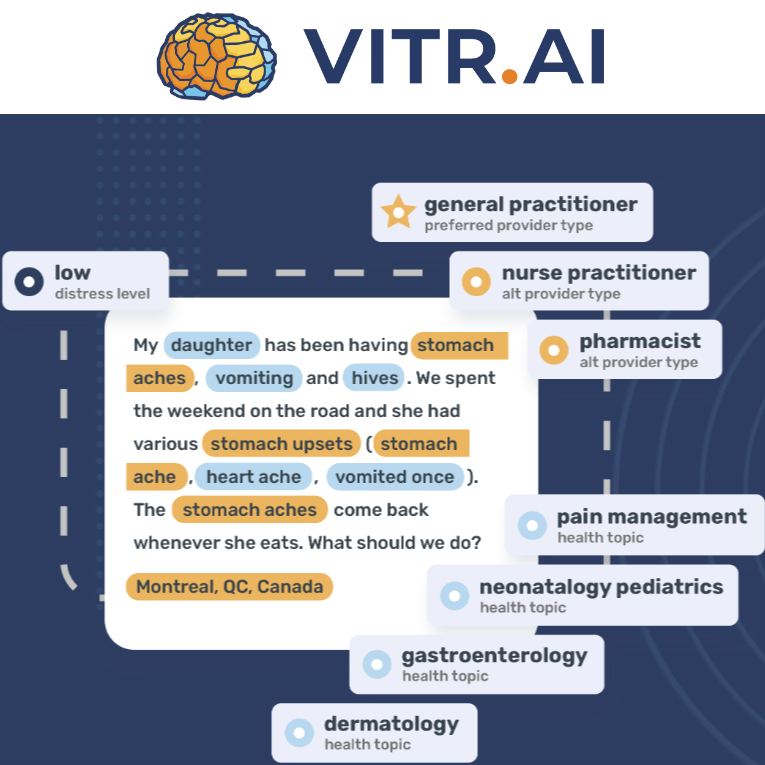
Info-Santé Navig
How might we redesign the 811 service model to handle high call volumes without overwhelming nursing staff or increasing wait times?

Chroniqueur
How might we present and structure the vast information generated by an emergent narrative simulation so that players can easily uncover, reconstruct, and interpret meaningful stories?